Introduction
Weather impacts daily life, business operations, travel, and emergency preparedness. Accurate and timely information is crucial for effective planning. Smart weather alerts—digital notifications that provide real-time, location-specific weather updates—have transformed how individuals and organizations anticipate and respond to weather conditions.
These alerts leverage advanced meteorological data, predictive algorithms, and digital communication platforms to deliver personalized and actionable information. By providing immediate warnings about severe weather events, temperature changes, or precipitation, smart weather alerts enable informed decision-making and risk management.
This article explores how smart weather alerts assist planning. It examines the technology behind these systems, practical applications across various sectors, benefits for individuals and businesses, and future developments that enhance planning efficiency and safety.
Understanding Smart Weather Alerts
Definition and Features
Smart weather alerts are automated notifications that deliver precise, location-based weather information. Key features include:
- Real-Time Updates: Immediate alerts for changing conditions
- Location Awareness: Tailored to the user’s current or selected location
- Predictive Forecasting: Short-term and long-term weather predictions
- Multichannel Delivery: Mobile apps, SMS, email, or smart devices
- Severity Indicators: Highlighting the urgency and potential impact of weather events
Types of Alerts
- Severe Weather Warnings: Alerts for storms, hurricanes, floods, or extreme temperatures
- Daily Forecast Notifications: Summaries of expected conditions
- Travel and Commute Alerts: Notifications for road conditions, traffic delays, or flight disruptions
- Agricultural Alerts: Guidance on frost, rainfall, or drought conditions for farming and gardening
Technology Behind Smart Weather Alerts
Meteorological Data Collection
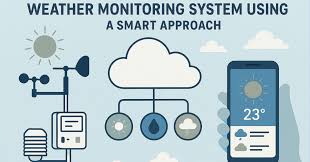
Smart weather alerts rely on data from satellites, radar systems, weather stations, and IoT sensors. These sources provide real-time information on temperature, humidity, wind speed, precipitation, and atmospheric pressure.
Predictive Algorithms
Machine learning and statistical models analyze historical and real-time data to forecast weather patterns. Predictive algorithms enhance accuracy, allowing alerts to anticipate conditions before they occur.
Geolocation and Personalization
GPS and location-tracking technologies enable alerts to be customized for specific areas. Users receive only relevant notifications, reducing alert fatigue.
Integration With Digital Platforms
Smart weather systems integrate with mobile apps, smart home devices, wearable technology, and enterprise software, ensuring that alerts reach users through preferred channels in real time.
Practical Applications of Smart Weather Alerts
Personal Planning
Individuals use smart alerts for daily activities, such as commuting, outdoor events, and travel planning. Real-time notifications help users dress appropriately, avoid hazards, and adjust schedules.
Business and Operational Planning
Companies in logistics, construction, and retail rely on weather alerts to plan operations. Alerts help optimize resource allocation, protect inventory, and ensure employee safety.
Emergency Management
Governments and disaster response agencies use smart weather alerts for evacuation planning, public warnings, and coordination of emergency services. Early warnings reduce risks and save lives.
Agriculture and Farming
Farmers use alerts for irrigation planning, pest control, and crop protection. Timely information helps mitigate losses and maximize yields.
Travel and Transportation
Airlines, shipping companies, and public transit systems integrate smart weather alerts to adjust routes, manage delays, and ensure passenger safety.
Benefits of Smart Weather Alerts
Enhanced Safety and Risk Reduction
Timely alerts help individuals and organizations take precautionary measures, reducing accidents, injuries, and property damage.
Improved Efficiency and Productivity
By anticipating weather-related disruptions, businesses and individuals can adjust plans, avoid downtime, and optimize resource use.
Personalized and Relevant Information
Location-based alerts deliver information that is directly applicable to the user, ensuring practical value and engagement.
Decision Support
Smart weather alerts provide actionable insights, allowing informed decision-making for both routine activities and emergency responses.
Increased Public Awareness
Alerts raise awareness about severe weather events, fostering a culture of preparedness and proactive planning.
Challenges and Considerations
Accuracy and Reliability
While predictive models are advanced, forecasts are not infallible. Users must interpret alerts critically and consider multiple sources.
Alert Fatigue
Excessive or irrelevant notifications can lead to users ignoring alerts. Personalization and prioritization help mitigate alert fatigue.
Data Privacy
Location-based services require user consent and secure handling of geolocation data to protect privacy.
Integration and Accessibility
Ensuring that alerts reach all users, including those with disabilities or limited technology access, is essential for equitable effectiveness.
Future Trends in Smart Weather Alerts
AI-Enhanced Predictive Forecasting
Advanced AI models will improve the accuracy and granularity of weather predictions, enabling hyper-local alerts with higher precision.
IoT and Sensor Networks
Wider deployment of connected sensors will provide real-time environmental data, enhancing situational awareness and responsiveness.
Smart Home and Wearable Integration
Integration with smart devices and wearables will deliver context-aware alerts, such as automatic home adjustments or health-related notifications during extreme weather.
Gamification and Behavioral Nudges
Future systems may incorporate behavioral insights and gamification to encourage proactive responses, such as preparing emergency kits or adjusting travel plans.
Global Collaboration and Data Sharing
Cross-border data sharing and collaborative meteorological networks will improve forecasting accuracy, especially for extreme events and climate monitoring.
Conclusion
Smart weather alerts have become essential tools for planning and decision-making in personal, business, and governmental contexts. By leveraging real-time data, predictive algorithms, and digital delivery channels, these alerts provide timely, relevant, and actionable information.
The benefits—enhanced safety, improved efficiency, personalized insights, and proactive risk management—demonstrate why smart weather alerts are integral to modern planning. As technology advances, including AI, IoT, and wearable integration, smart weather alerts will become even more accurate, context-aware, and essential for navigating a world increasingly influenced by weather and climate variability.
Author

Related Posts

Why People Benefit From Habit-Reset Reminders
Introduction In a fast-paced world, maintaining healthy habits and routines can be challenging. Many individuals struggle to stick to personal, professional, or...
Read out all
Why Music Recommendation Algorithms Feel Accurate
Introduction In the digital music era, streaming platforms like Spotify, Apple Music, and YouTube Music have transformed the way we discover and...
Read out all
How Online Skill-Badges Improve Careers
Introduction In the rapidly evolving job market, continuous learning and skill validation are essential for career growth. Online skill-badges, digital representations of...
Read out all
Why Eco-Friendly Tech Is Becoming Mainstream
Introduction As climate change and environmental concerns become increasingly urgent, the technology sector is responding with innovative, sustainable solutions. Eco-friendly technology—also known...
Read out all
How Digital Indexing Speeds Up Research
Introduction In an era where information is abundant and research demands are high, accessing relevant data quickly is crucial. Traditional research methods,...
Read out all